
Travel is evolving.
And with it, the meaning of luxury is changing.
For decades, luxury meant comfort, soft beds in remote places, fine dining under canvas, and seamless journeys across vast landscapes. A safari was something you experienced, admired, photographed, and moved on from. But today’s traveller wants more than comfort. They want a connection. They want meaning. They want to understand the places they visit and the impact they leave behind.
Because true luxury cannot exist at the expense of the planet it celebrates.
Across East Africa, a new era of safari is emerging, one defined not just by what you see, but by what you support. It’s a quiet shift, but a powerful one. A shift toward travel that respects wildlife, uplifts communities, and protects the landscapes that make these journeys possible.
This is the rise of sustainable luxury travel.
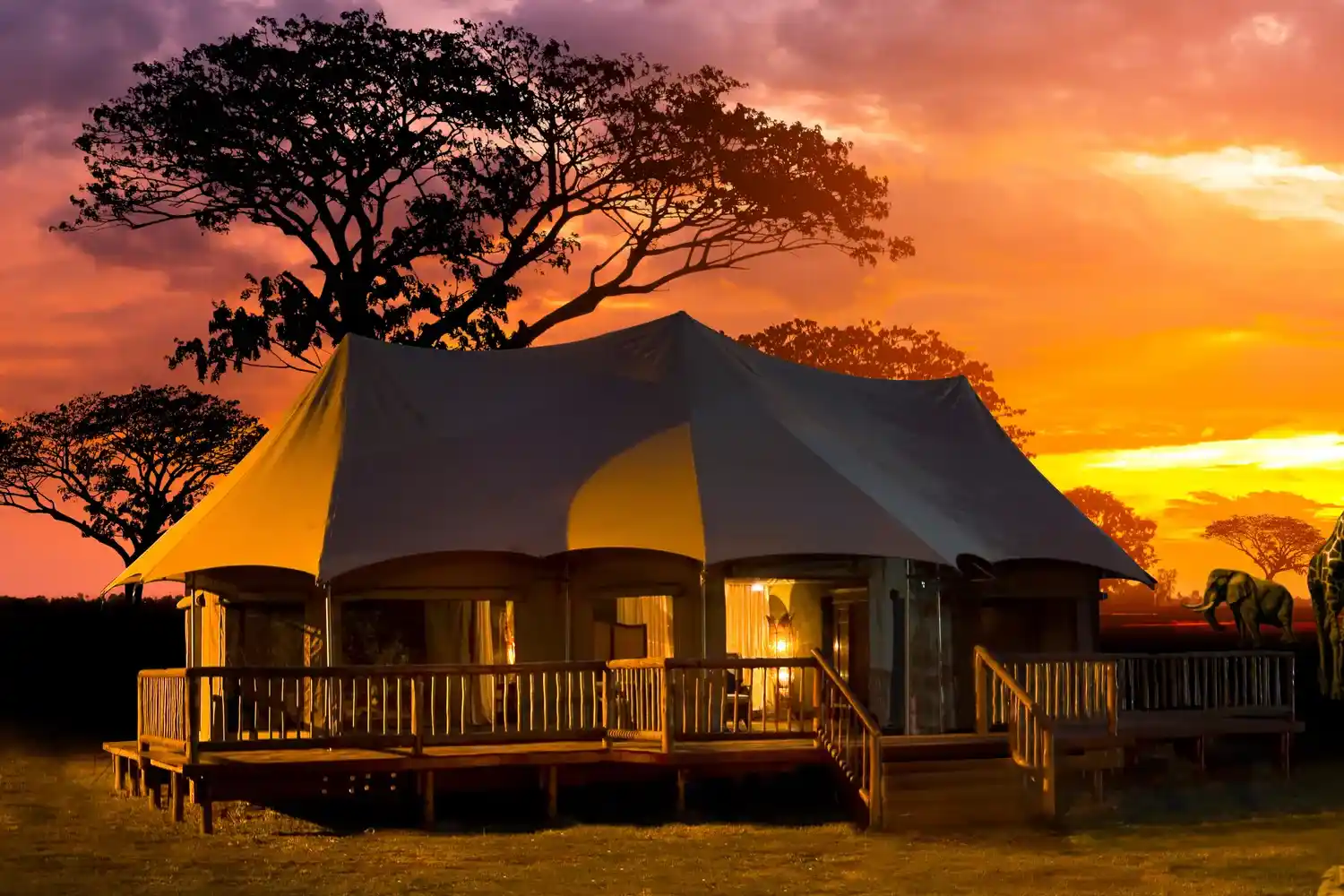
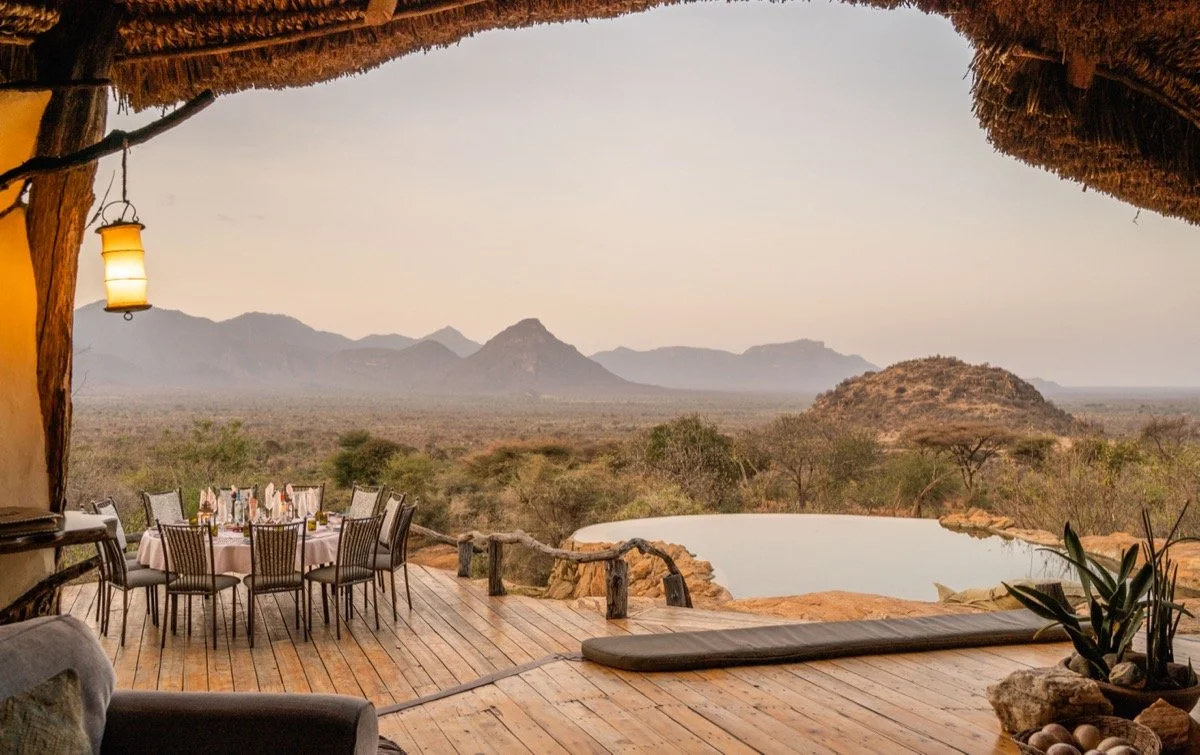
A luxury safari camp designed to exist in harmony with nature.
The New Questions Travellers Are Asking
The new generation of explorers is thoughtful. Informed. Curious not just about destinations, but about consequences.
Before booking a journey, many travellers now pause to reflect. They ask questions that would have seemed unusual just a decade ago, not just where they are going, but how they are going.
Who benefits from my safari?
What footprint does my journey leave behind?
Is my comfort enabled by compromise?
These questions are quietly reshaping travel across destinations like Kenya, Uganda, and Rwanda. They are influencing how lodges are built, how wildlife is protected, and how communities are included in the tourism experience.
Luxury travellers are no longer satisfied with exclusivity alone; they want ethics, authenticity, and accountability. They want to know that their presence leaves places better than they found them. And when that happens, travel becomes more meaningful not just for the traveller, but for everyone involved.
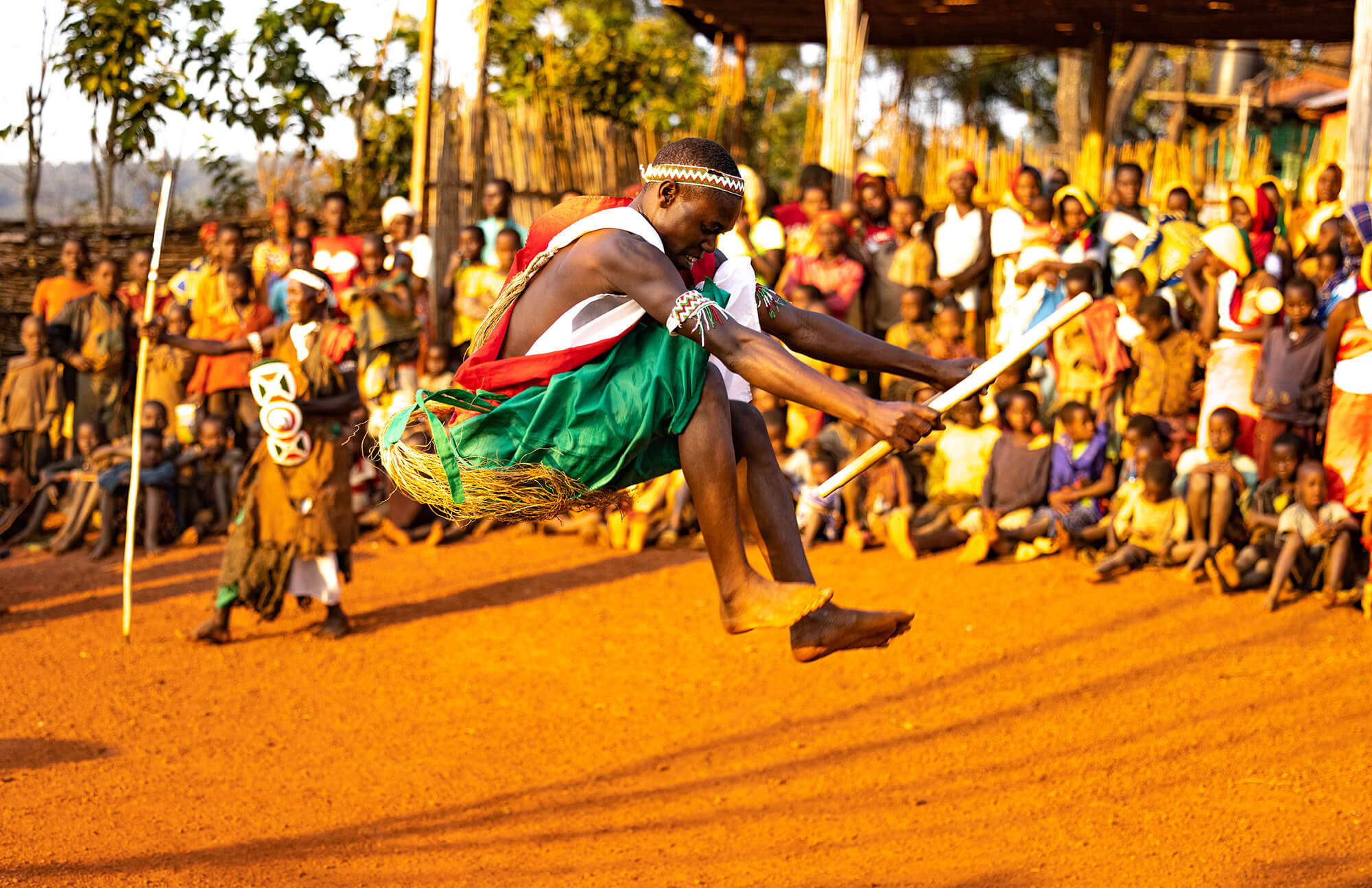
Cultural exchange that respects heritage and supports livelihoods.
Sustainability as a Design Principle, Not a Trend
At Serkin Africa, sustainability is not a marketing line or a temporary trend. It is a design principle, something considered at the very beginning of every journey we create.
Each safari is thoughtfully shaped to balance comfort with conservation. That means choosing partners carefully, working with eco-conscious camps, collaborating with local guides who know the land intimately, and supporting community-owned lodges that reinvest in their people.
These decisions may not always be visible to travellers, but their impact is profound. They help protect fragile ecosystems, strengthen local economies, and preserve cultural traditions that have existed for generations.
Because the wild is not just scenery.
It is a living system, one that depends on thoughtful stewardship.
Wildlife Preservation: Protecting What Inspires Us
Wildlife sits at the heart of every safari experience. It is what draws travellers across oceans and continents, the chance to witness animals in their natural world, moving freely across vast landscapes.
But protecting wildlife requires more than admiration. It requires commitment, investment, and collaboration.
Responsible tourism plays a critical role in conservation efforts across iconic destinations like Maasai Mara National Reserve, Murchison Falls National Park, and Volcanoes National Park. Park fees support rangers. Tourism revenue helps restore habitats. Conservation programs gain the resources they need to monitor wildlife and prevent poaching.
Every safari becomes part of something bigger, a collective effort to protect species, safeguard migration routes, and ensure that future generations will still have the chance to witness these extraordinary moments.
Your journey becomes part of the solution.
Not the problem.
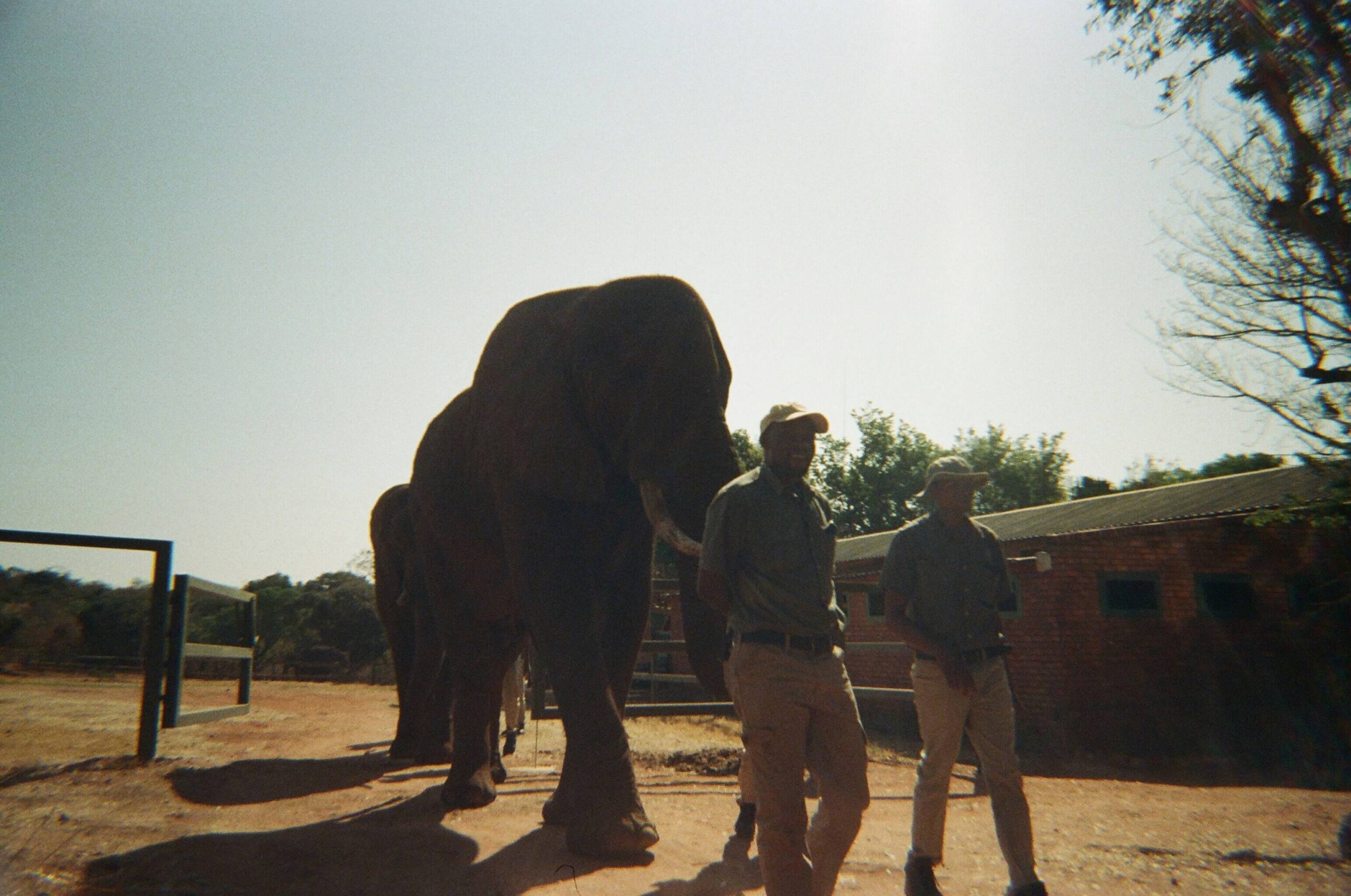
Conservation begins with the people protecting the land.
Community Empowerment: Travel That Lifts Lives
Behind every successful safari is a network of people whose work makes the experience possible.
Drivers who navigate remote roads. Guides who interpret the landscape. Chefs who prepare meals in the wilderness. Artisans who create beautiful handmade crafts that carry stories of tradition and identity.
Sustainable tourism ensures that these individuals benefit directly from the presence of travellers. When tourism supports local employment and promotes locally made products, it strengthens entire communities.
And when communities thrive, conservation thrives too.
Because people protect what sustains them.
Supporting local businesses is not just an economic act, it is an act of cultural preservation. It ensures that knowledge, skills, and traditions continue to be passed from one generation to the next.
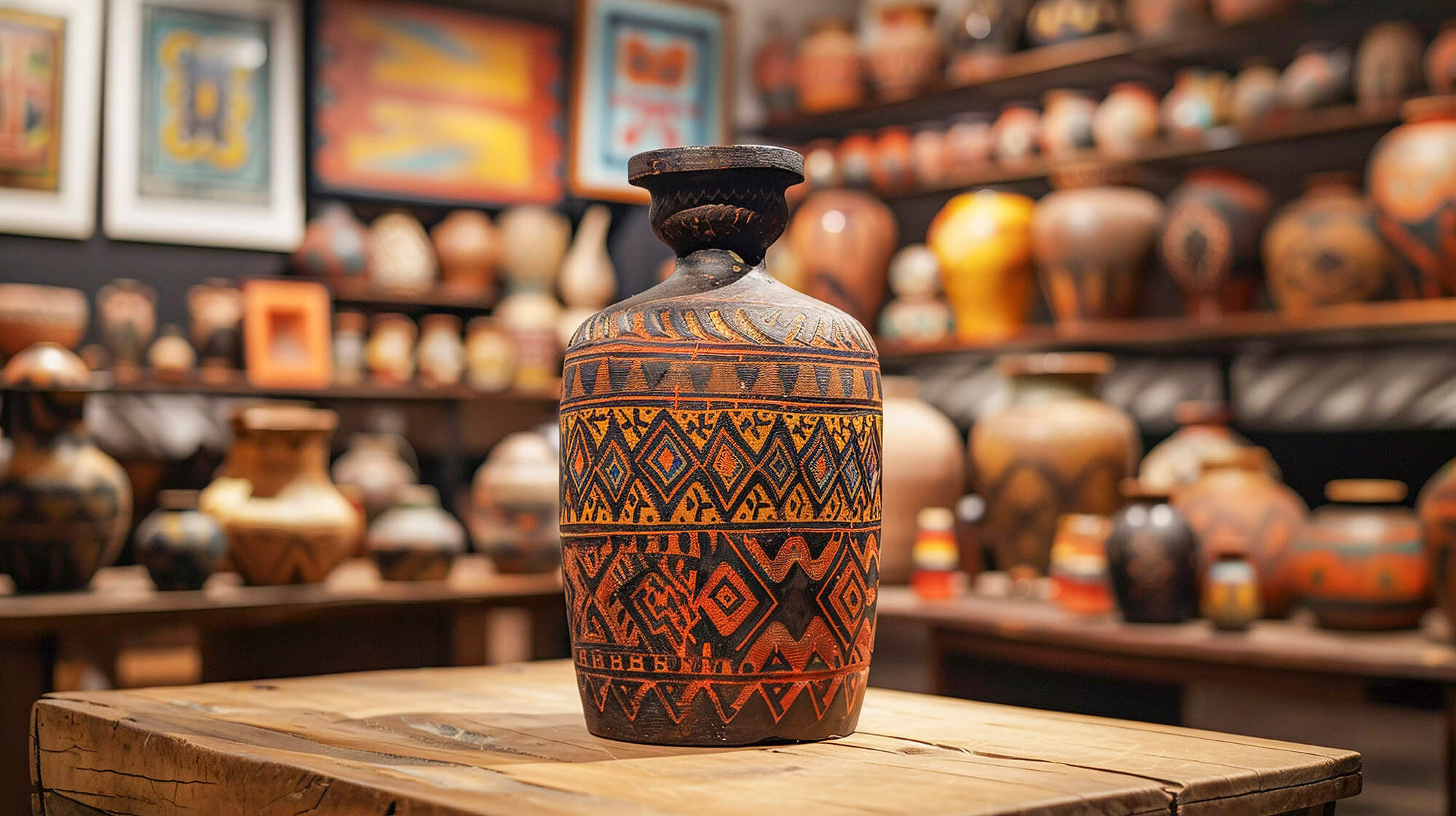
Supporting craftsmanship keeps cultural traditions alive.
Cultural Continuity: Respecting Living Heritage
Africa’s landscapes are not empty wilderness. They are cultural spaces filled with traditions, rituals, and histories that stretch back centuries.
Responsible travel recognises this.
Encounters with communities are designed to be respectful, meaningful, and mutually beneficial. They are not performances staged for tourists, but opportunities for genuine exchange moments where travellers listen, learn, and connect.
A storytelling session around a fire.
A demonstration of traditional craft techniques.
A shared conversation that bridges cultures.
These experiences often become the most memorable moments of a journey, the ones that linger long after the trip ends.
Because understanding people adds depth to every landscape.
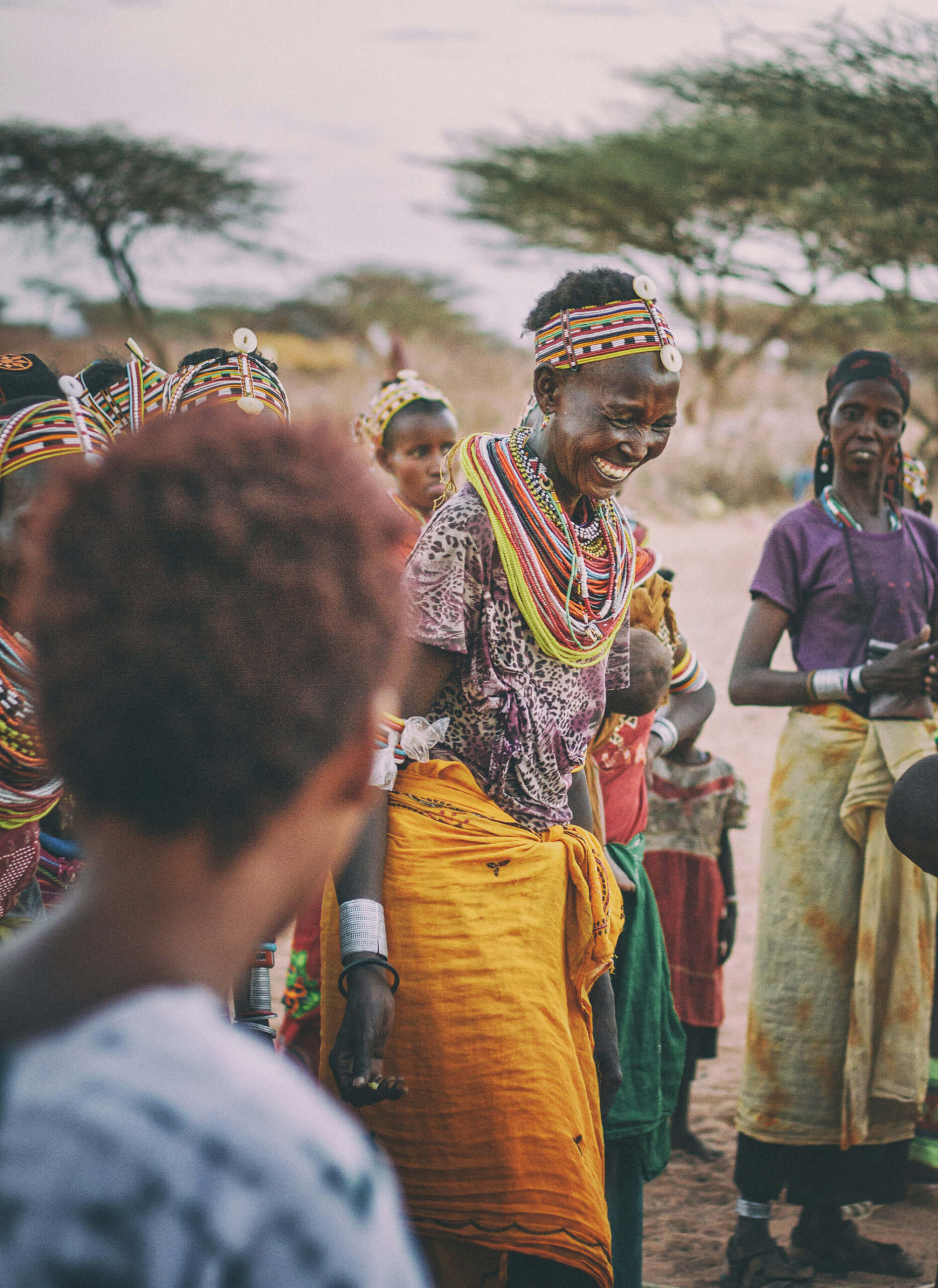
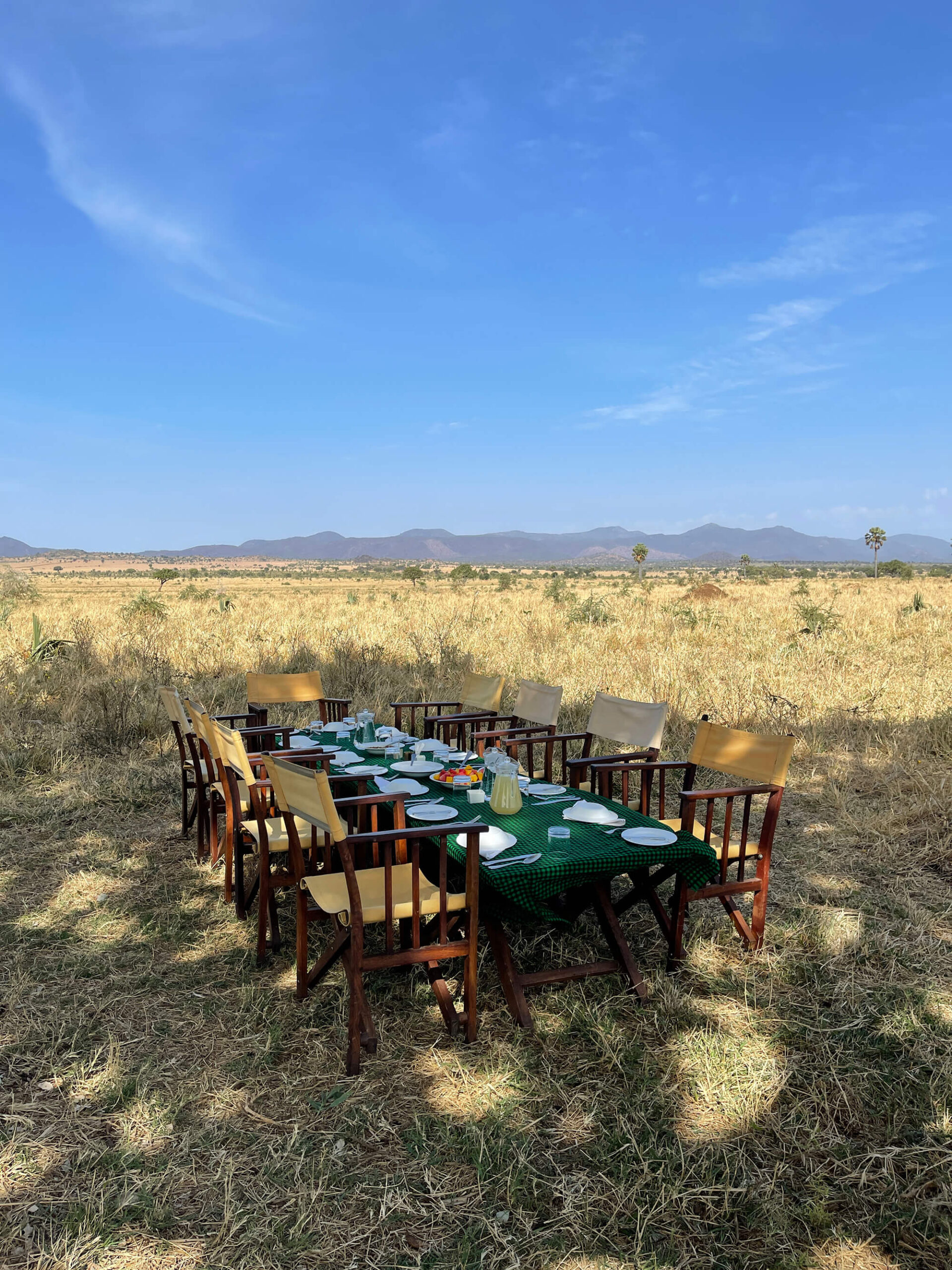
Cultural exchange rooted in dignity and respect.
Experiences With Purpose
Modern luxury travel is no longer defined only by where you stay or what you see. It is defined by what you contribute.
Across East Africa, travellers now have opportunities to participate in experiences that give back, planting trees in conservation areas, learning about wildlife monitoring programs, or supporting community initiatives that improve livelihoods.
These are small actions, but they carry lasting impact.
Planting a tree, for example, may seem simple. But over time, it becomes part of a growing forest one that restores habitats, stabilises soil, and supports wildlife.
Moments like these transform travel into something deeper.
You don’t just witness Africa — you contribute to its future.
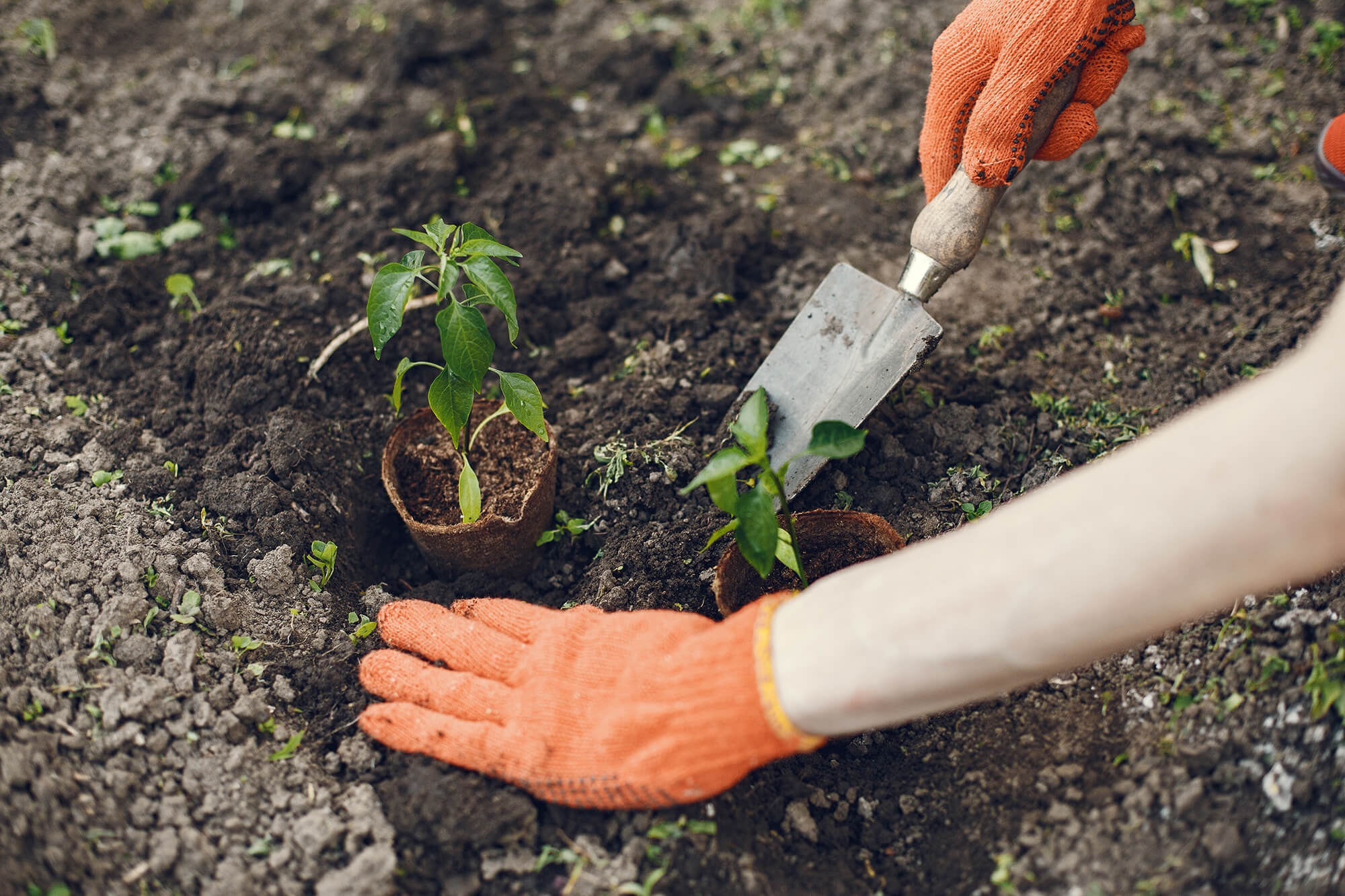
Small actions that grow into lasting impact.
The Beauty of Low-Impact Luxury
Sustainable luxury does not mean sacrificing comfort. In fact, it often enhances it.
Eco-lodges across East Africa are redefining what luxury looks like blending natural materials, open-air architecture, and modern technology to create spaces that feel deeply connected to the surrounding environment.
Solar-powered systems provide clean energy. Water recycling reduces waste. Locally sourced ingredients bring freshness to every meal. Carefully designed buildings allow guests to feel immersed in nature without disrupting it.
The result is a new kind of comfort one that feels thoughtful, responsible, and deeply aligned with the environment.
Luxury becomes lighter.
Smarter.
More responsible.
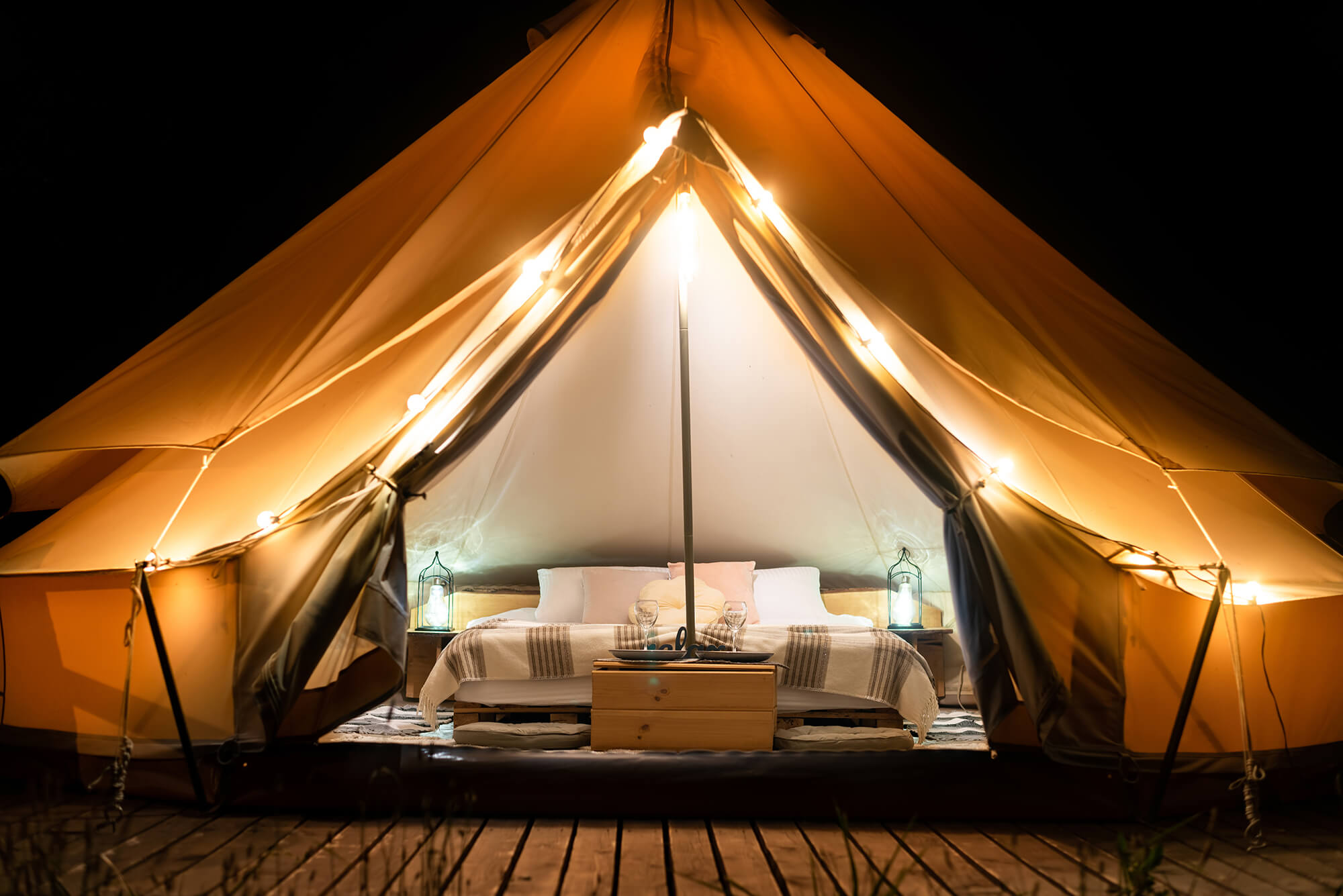
Comfort designed to coexist with nature.
Why Sustainable Travel Matters Now More Than Ever
Across Africa, landscapes are changing.
Climate patterns shift. Habitats evolve. Communities adapt.
These realities make responsible travel more important than ever before.
The choices travellers make today will shape the landscapes of tomorrow. Supporting ethical operators helps protect ecosystems, preserve wildlife populations, and maintain cultural traditions that might otherwise disappear.
Travel is no longer neutral.
It is influential.
And when guided responsibly, that influence becomes a powerful force for good.
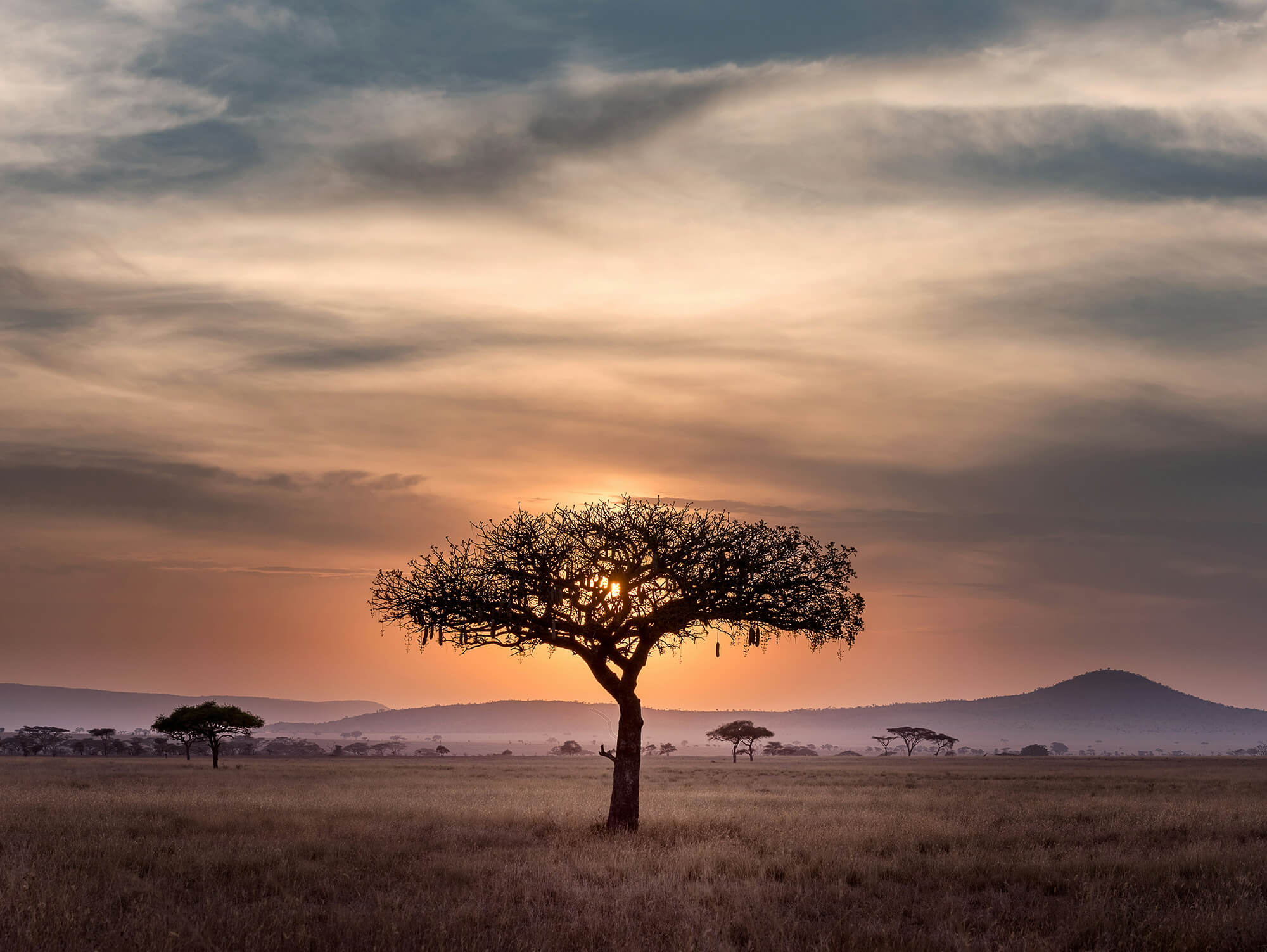
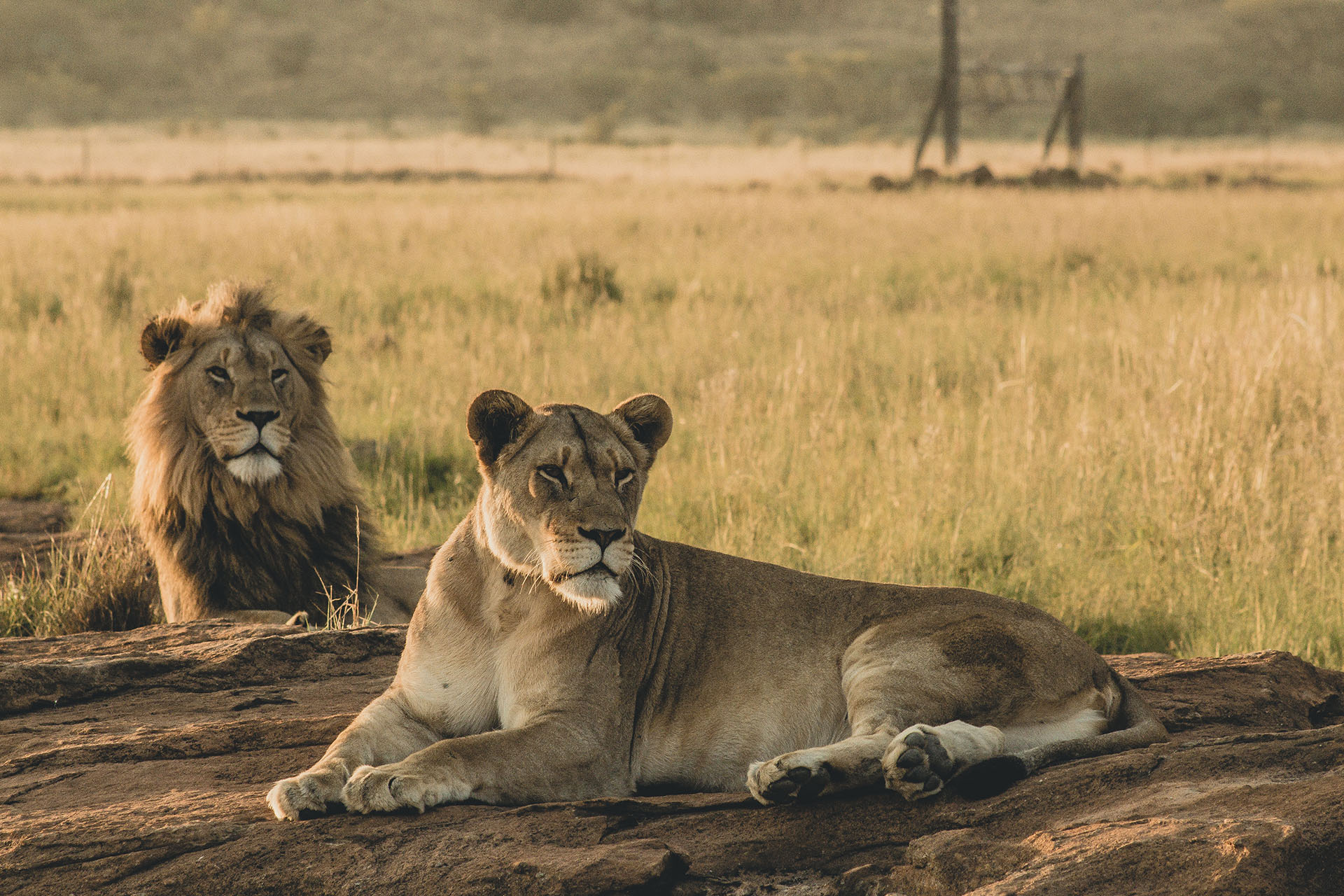
Preserving wild spaces for generations to come
Safari Reimagined
Luxury that nurtures.
Adventure that gives back.
Journeys that leave more behind than footprints.
This is the future of safari travel.
Not louder.
Not bigger.
But wiser.
At Serkin Africa, exploration is not just about movement it is about meaning. It is about recognising that every journey has the power to protect, uplift, and inspire.
Because the true measure of luxury is not what you take from a place…
But what you leave behind.
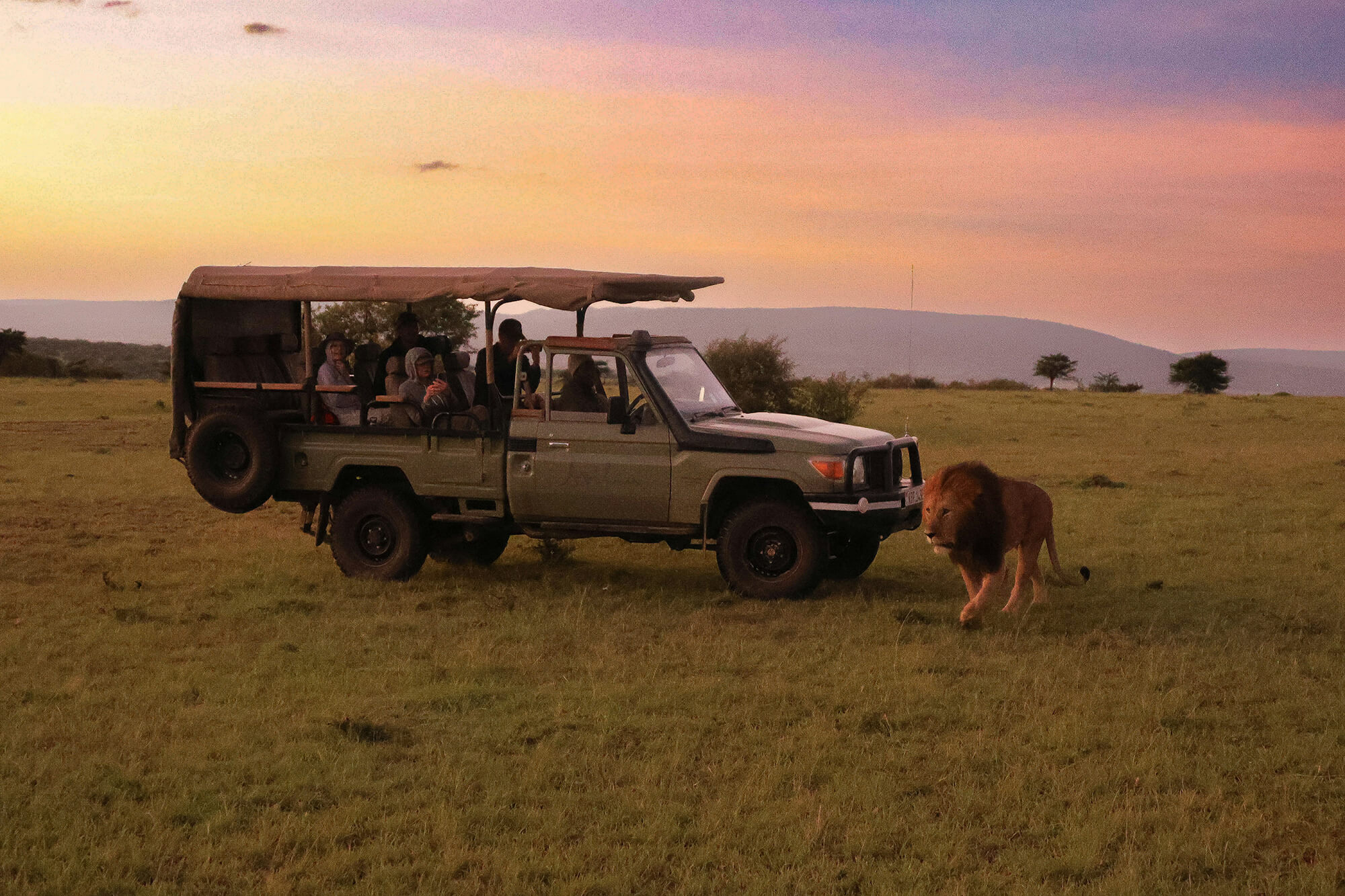
Travel with purpose. Explore with intention.