
When most people picture a lion, they imagine the mane — the male standing tall against the African horizon. Yet the true strength of the pride lies elsewhere. Silent, strategic, and fiercely intelligent, the lioness is the engine of survival in Africa’s most iconic species.
Across the savannas of East Africa, from the Maasai Mara to the Serengeti, female lions shape the rhythm of the wild. They hunt, they lead, they nurture, and they defend. To witness a pride in motion is to understand that power in nature is often quiet, collaborative, and undeniably female.
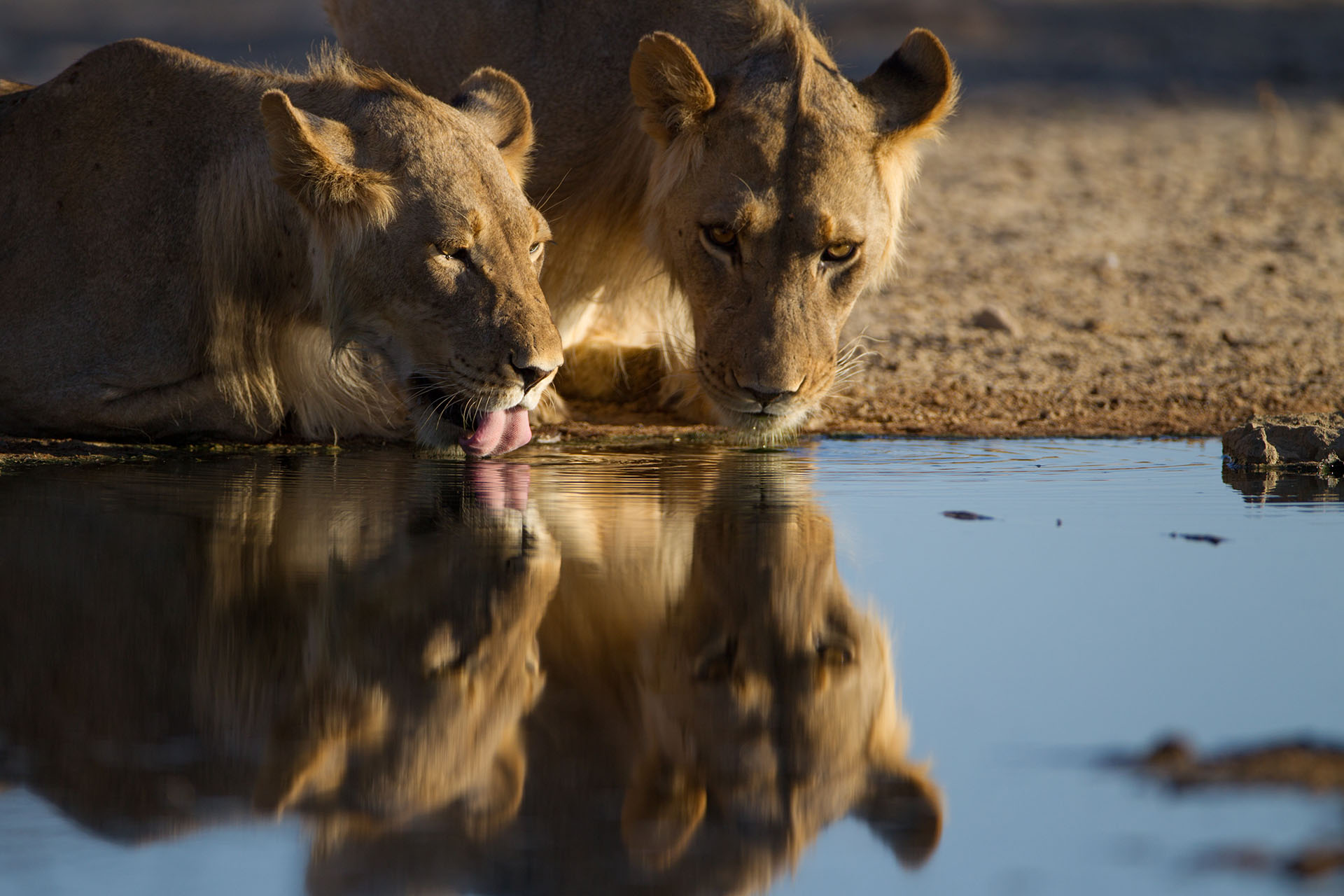
The reflection of the lionesses drinking water from a small pond
Born to Lead: The Role of the Lioness in the Pride
Unlike many big cats, lions live in structured social groups known as prides — and at the heart of each pride are the lionesses. Related by blood, they form lifelong bonds that define the pride’s identity and territory.
Lionesses remain with their natal pride for life, creating a stable social unit that can span generations. This continuity allows them to develop intricate hunting strategies, shared parenting systems, and deep communication skills. Males may come and go, but it is the females who hold the pride together.
From teaching cubs essential survival skills to coordinating movements across vast territories, lionesses are natural leaders. Their cooperation is not accidental — it is learned, practiced, and perfected over time.
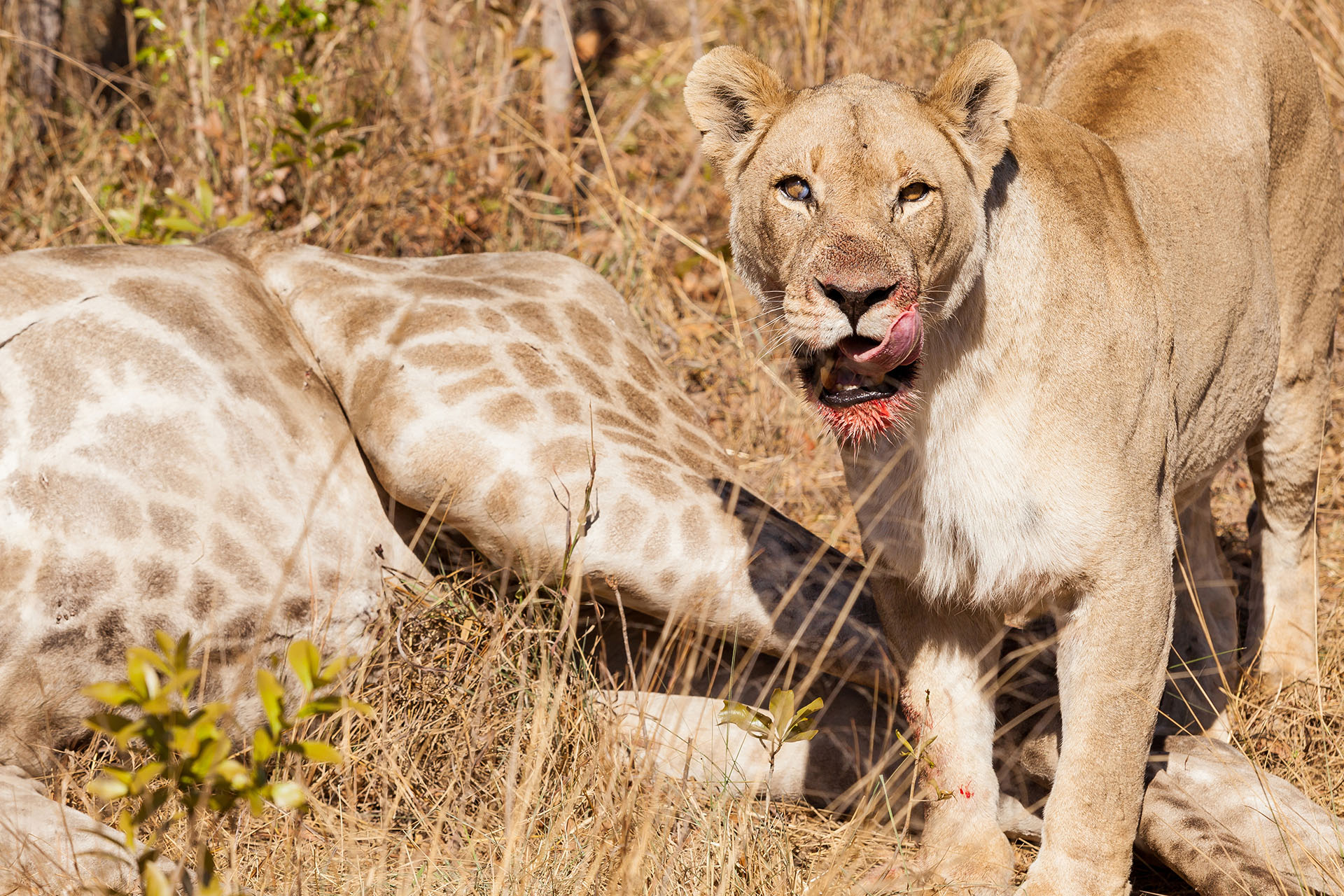
A closeup of a lioness licking her face after hunting her prey
Masters of the Hunt
Approximately 90% of a pride’s hunting is done by females. Built for endurance rather than show, lionesses are lighter, faster, and more agile than their male counterparts. Their hunts are exercises in patience and precision.
Working together, lionesses fan out across the grasslands, using the cover of tall savanna grass and the darkness of dawn or dusk. Each lioness has a role — some drive prey forward, others ambush from the flanks, and one delivers the final strike. Success depends on trust, timing, and teamwork.
This cooperative hunting allows prides to take down prey far larger than a single lion could manage alone — from wildebeest and zebra to buffalo. It is one of nature’s most powerful demonstrations of collective strength.
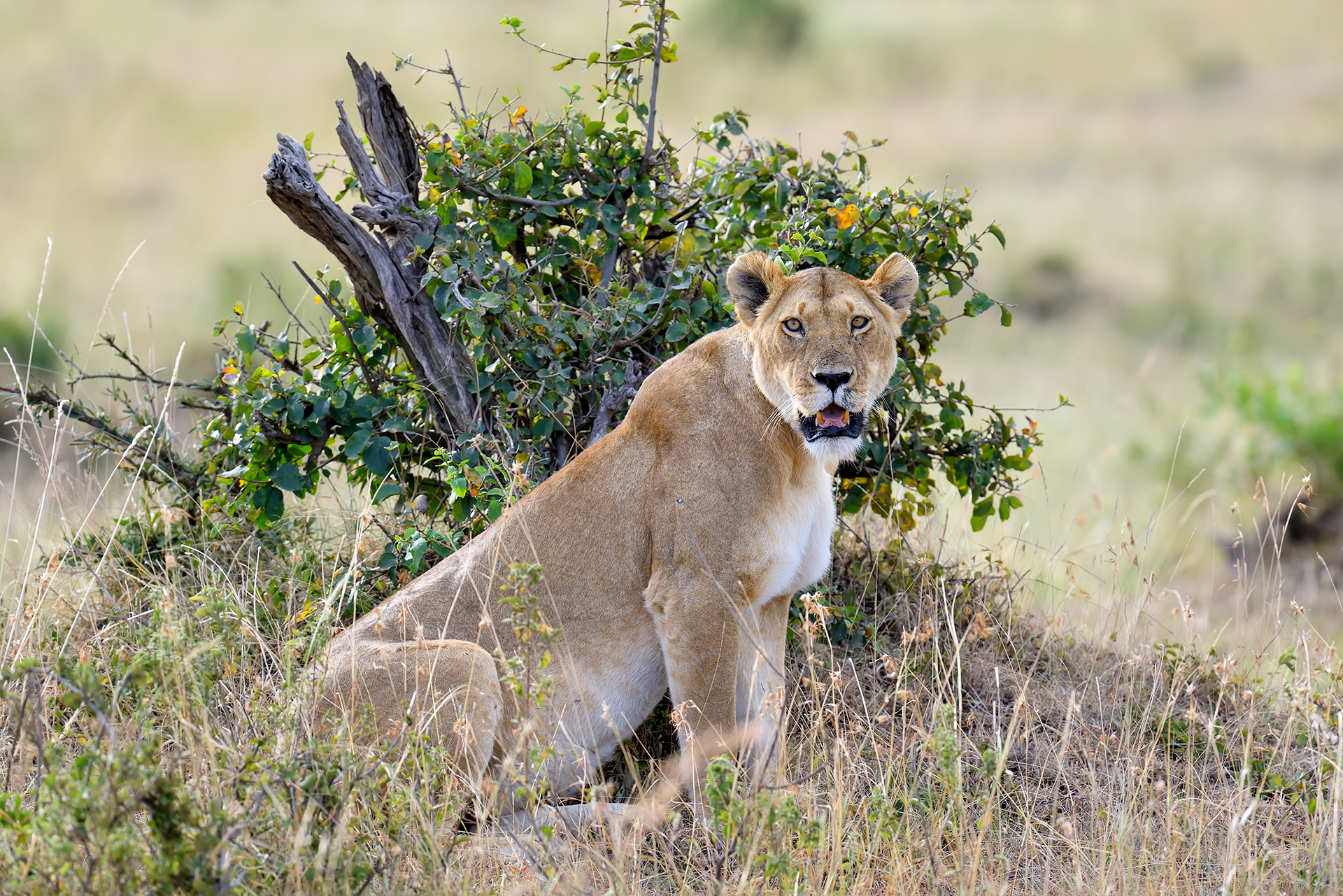
Close lion in National park of Kenya, Africa
Mothers of the Wild
Beyond the hunt, lionesses are devoted mothers. Cubs are the future of the pride, and their survival depends on shared care. Lionesses often give birth around the same time, forming crèches where cubs are raised communally.
They nurse one another’s young, guard them while others hunt, and fiercely protect them from predators — including rival lions. This shared motherhood ensures higher survival rates and strengthens bonds within the pride.
Watching lionesses interact with their cubs offers a softer, more intimate glimpse into the wild. There is play, patience, discipline, and affection — reminders that even in the rawness of nature, care and connection are essential.
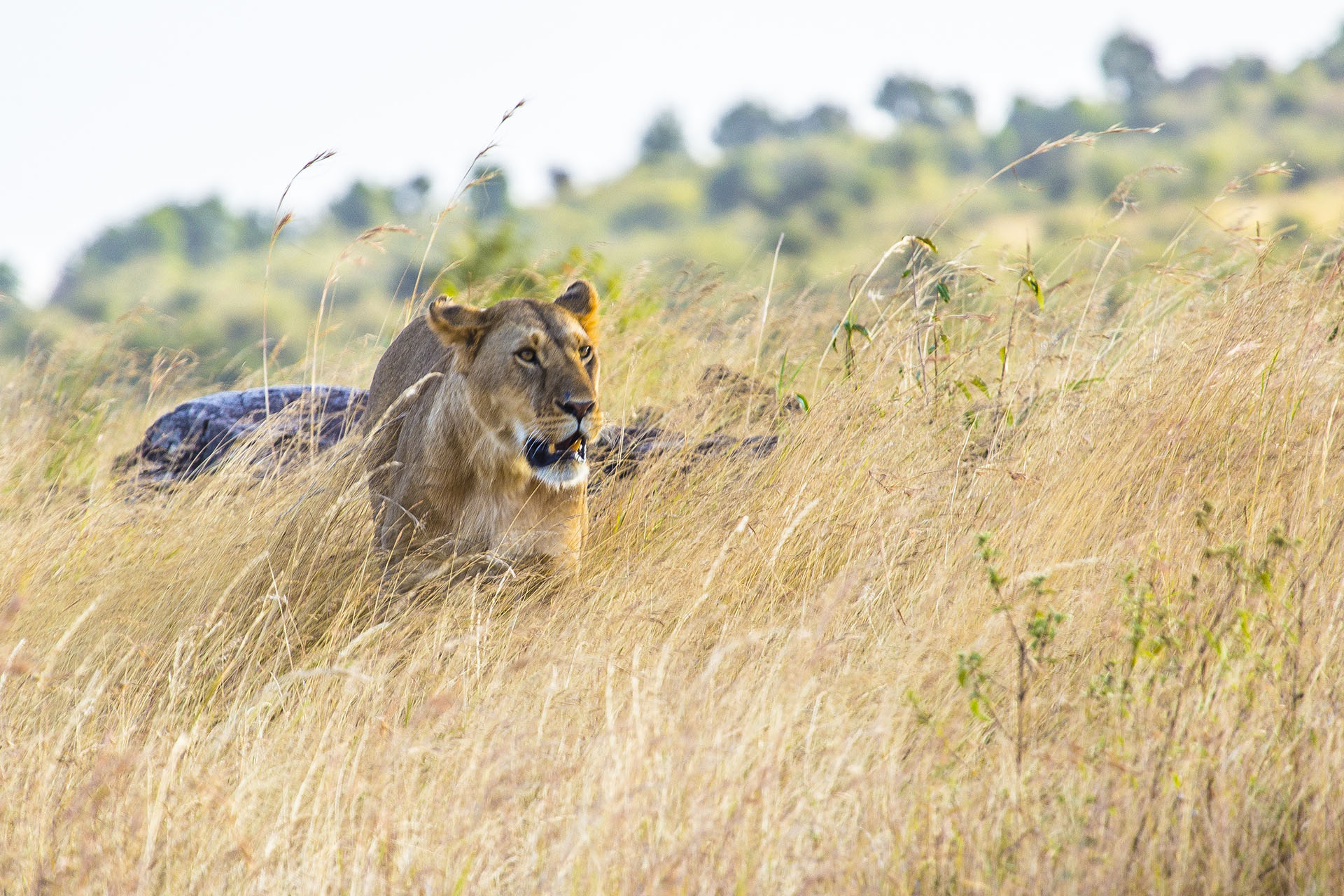
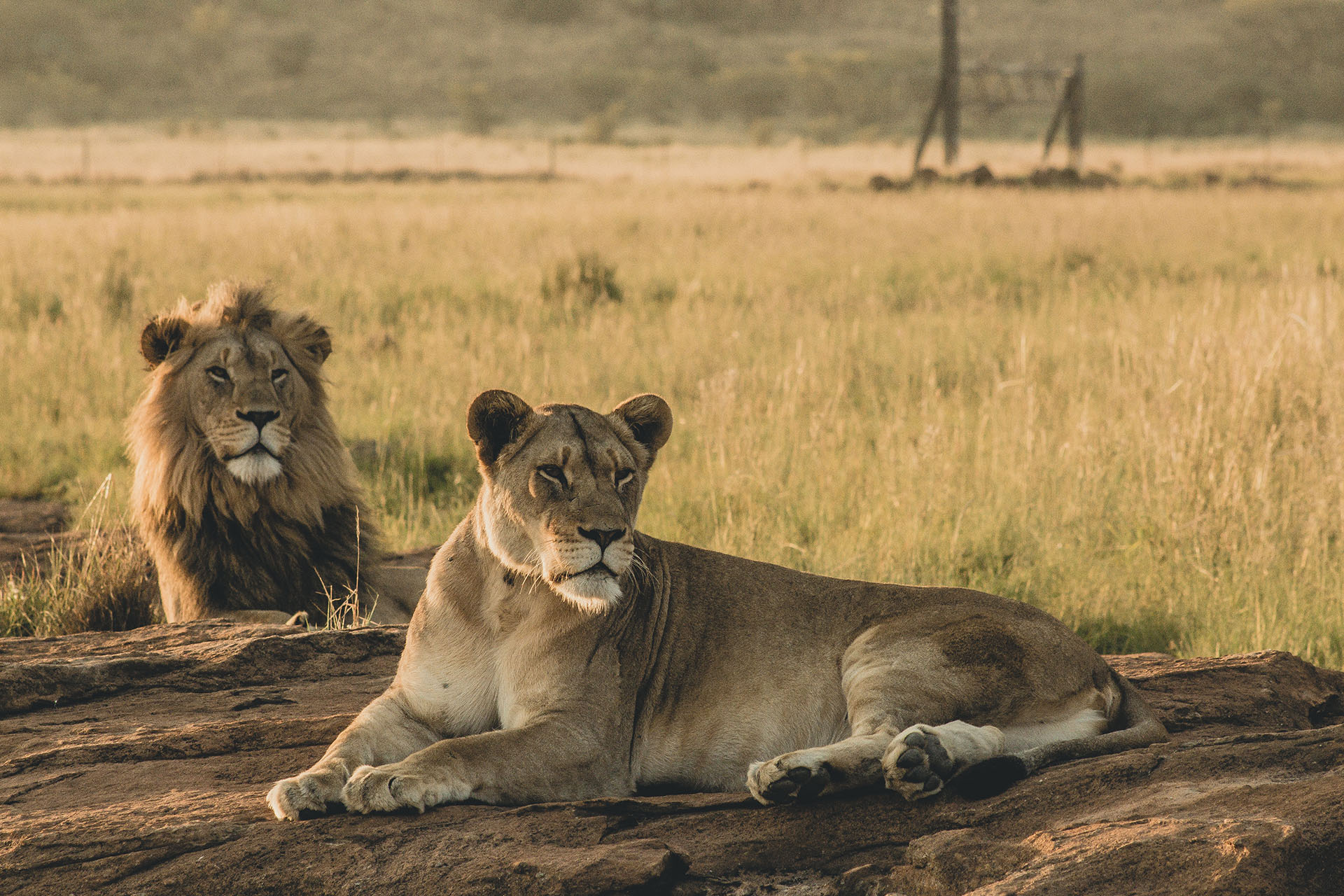
A beautiful shot of the lioness in the Masai Mara Safari in Kenya on a sunny day
Why Seeing Lionesses in the Wild Matters
On safari, encounters with lionesses are often more revealing than sightings of males. To watch them hunt, communicate, or guide their cubs is to witness Africa in motion — unscripted and profoundly alive.
For travelers, these moments offer more than photographic opportunities. They provide perspective. The lioness challenges traditional ideas of leadership and strength, showing that power is not always loud or solitary — it is often shared, strategic, and deeply rooted in community.
At Serkin Africa, we believe that understanding wildlife deepens the safari experience. Knowing the stories behind the species transforms a sighting into a connection.
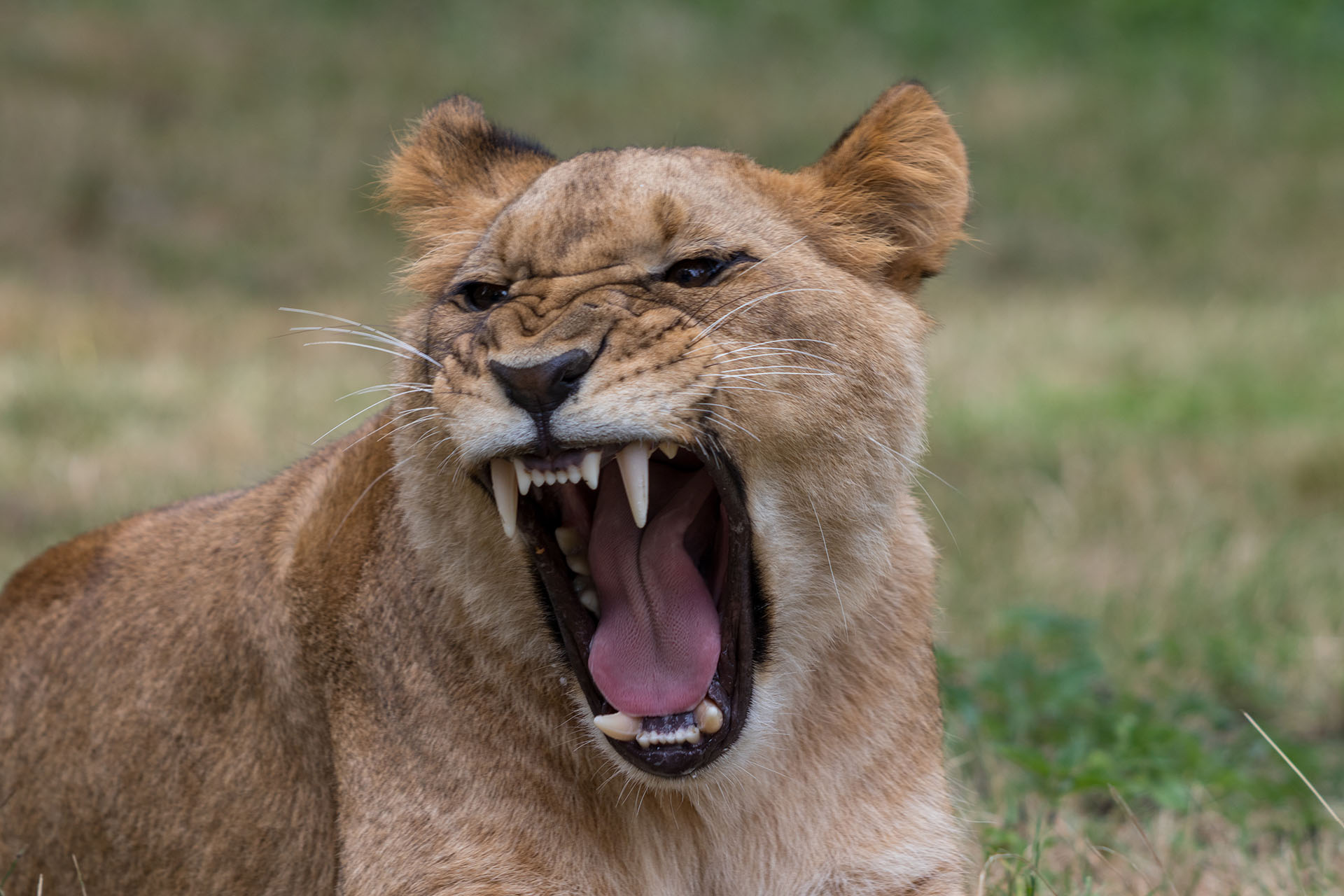
A Lioness roaring in a jungle with a blurred background
A Symbol of Africa’s Spirit
The lioness embodies much of what makes Africa extraordinary: resilience, cooperation, intelligence, and grace under pressure. She is a reminder that the wild is not chaos, but balance — shaped by relationships, roles, and respect for the land.
To encounter a lioness in her element is to see Africa as it truly is — powerful, purposeful, and endlessly inspiring.